Meet a Few of the Women Responsible for Historic Preservation in Phoenix
Historic Preservation takes a lot of mental energy, exertion, resources, and, of course, time, to pull off. This is especially true in Phoenix, where those resources are more finite.
The total land area of all Historic Districts only accounts for just over one percent of all of Phoenix, or about 30 square miles. This doesn’t include the vast natural land preserves of the South Mountain Park Historic District and the individually designated properties.
However, more often than not, professional women have often spearheaded these efforts in a community where historic preservation is fraught with messy discussions about economic impact, property owner rights, and an already low historic building stock. As the Valley has expanded to become the fifth largest city in the nation, they have created language to make preservation both economically and culturally feasible.
Before Women’s History Month (and Phoenix Historic Month) wraps up in March, Preserve Phoenix spotlights a handful of the women who possessed the requisite determination to defy the odds to renew our vast urban environment.
The Early Pioneers:
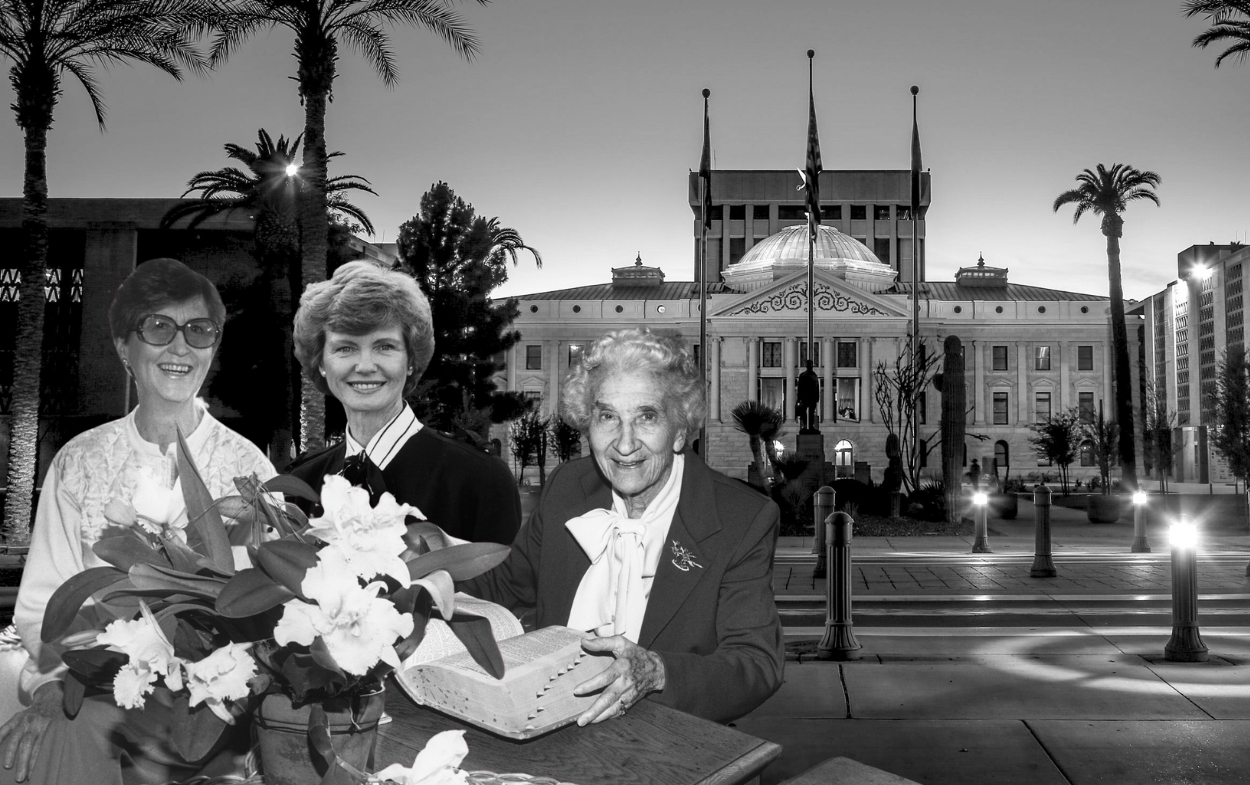
Photos: Arizona Memory Project
Let’s start (near) the beginning. It’s the 1970s and a broader historic preservation movement is underway, motivated by the demolition of the original Penn Station in New York City a decade prior. This problem is amplified in Phoenix, one of the youngest states in the country, where urban sprawl drove residents from its centralized historic urban cores to newly formed suburbs. And there was hardly any legislative oversight or protections in place to starve off demolitions.
Enter a handful of decentralized efforts that begin in earnest with an effort during the nation’s bicentennial. State Sen. Juanita Harelson introduces House Bill 2226, which becomes the Arizona State Historic Property Tax (SPT) program, to provide the property owners of historic buildings “an incentive to restore their home’s authenticity.” The program offers eligible property owners of historically listed properties a substantial reduction in their state property taxes through a 15-year maintenance agreement. It's considered a national model to revitalize broken homes and neighborhoods.
When Gov. Bruce Babbitt was elected in 1978, the movement gained a key historic preservation advocate, who created a Governor’s Task Force on Historic Preservation in 1981, which was chaired by Jacqueline Rich, an environmental planner, and other accomplished community advocates and historians.
The local preservation effort picked up steam and on April 19, 1982, the Arizona legislature passed the Historic Preservation Act, a foundational document defining the state’s preservation policy and incentives to preserve historic properties. State Rep. Jacque Steiner and Ann A. Pritzlaff, both key players at the time, formulated the legislation, which was sponsored by Steiner and Rep. Polly Rosenbaum. They shape their bill from the findings of a blue ribbon commission that Rich also chaired. At the state level, State Historic Preservation Officer Ann Walker (nee Pritzlaff) was also instrumental in the bill’s passage. By the end of the 1980s, more and more of a legal framework was also set at a citywide effort.
Beatrice Moore:
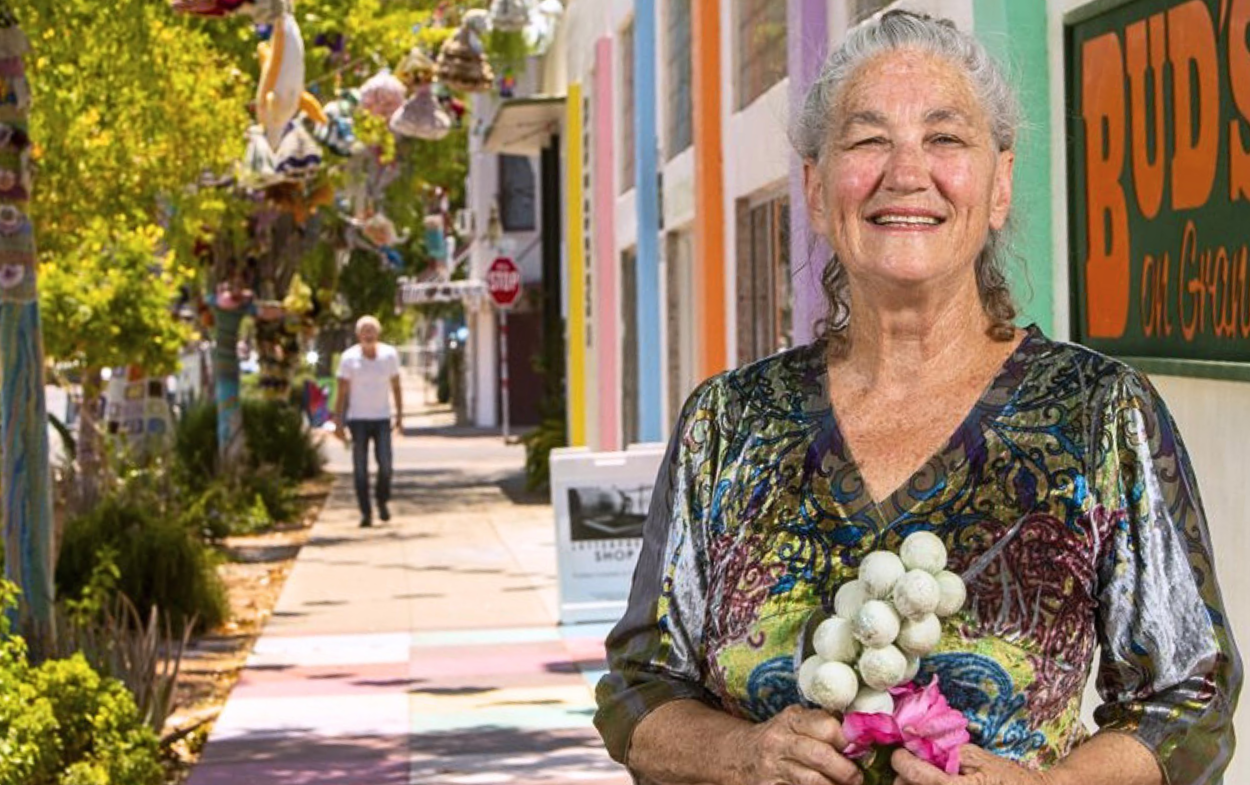
In the early battle to preserve the integrity of the early Downtown Phoenix communities, Beatrice Moore emerged as an advocate for its artists and repurposed commercial buildings they made into their own.
When Moore and her partner Tony Zahn relocated from New York, they set up an artist studio in Downtown’s Warehouse District, specifically where America West Arena would soon be built.
This motivated them to relocate to Historic Grand Avenue and purchase many of the unique and intact vintage storefronts over the next decade, beginning in 1992. One of these purchases included the Bragg’s Pie Factory, which was renovated to include artist space to coexist alongside its eateries. Eventually, the artists followed them to rent out space out of the way of development and gentrification.
Today, this proof of concept speaks for itself with a vibrant collection of local businesses, eateries, artists, which include Bacanora PHX (recently named as a top restaurant in the country), to serve as a model for growth and stewardship.
Alison King:

To make the case for historic preservation, there also needs to be visibility of our urban environment to inform a case of preservation. Since 2003, this public curiosity has been satisfied by Alison King, the Founder of ModernPhoenix.net, who uses her site as an educational resource to capture the stories behind the architects and firms responsible for Phoenix’s diverse historic inventory, as well as advocate for the preservation of their creations.
Over time, there was enough demand for what King did to necessitated live events, which included workshops and lectures wrapped around home tours of MidCentury residences and neighborhoods. For almost two decades, these curated home tours became Modern Phoenix Week in March that exposed hundreds of attendees to different historic properties which home owners made their own.
Although Modern Phoenix is not as active as it once was, the community and partnerships that King helped spark can never be undone.
Kimber Lanning:
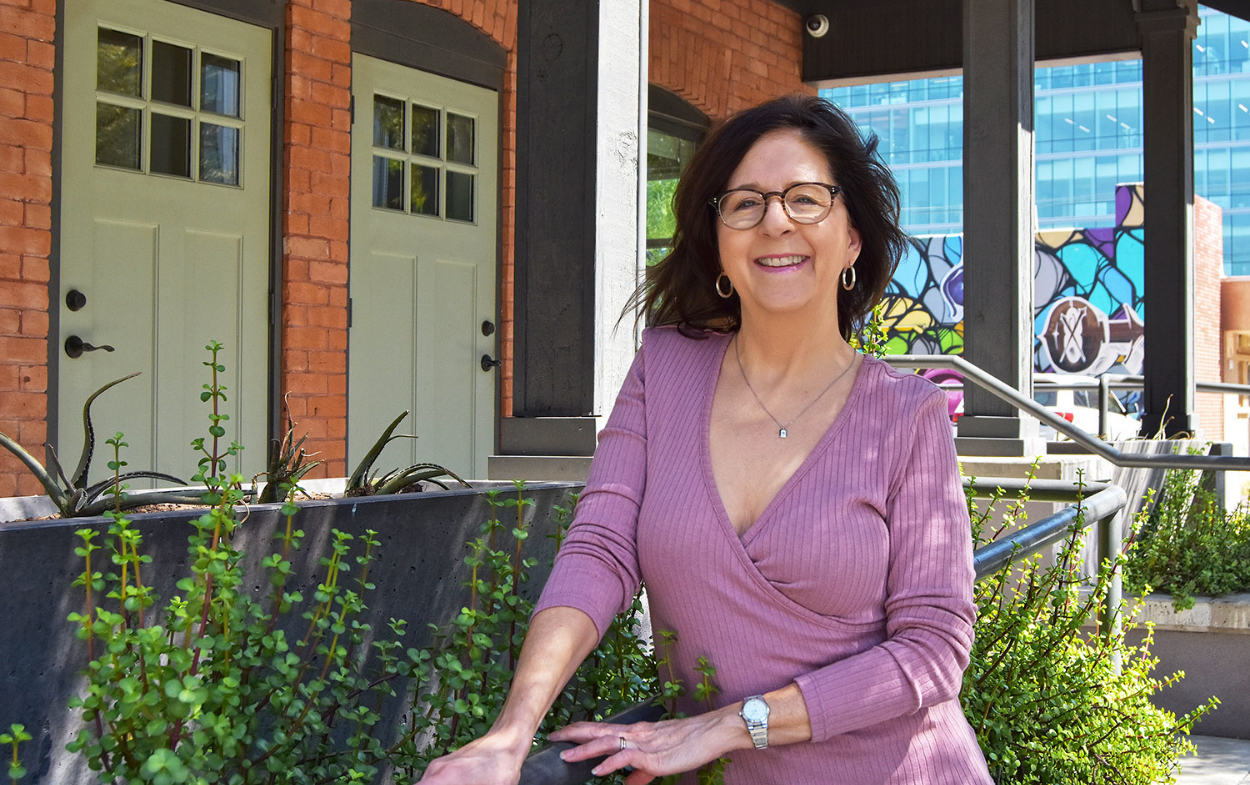
Photo: Taylor Costello
The vernacular of historic preservation often includes adaptive reuse, or repurposing an existing structure for a new usage than what was first envisioned. The figurative infrastructure of the city’s adaptive reuse program can be owed to Kimber Lanning, the founder of Local First Arizona.
For almost a decade, Lanning served on the city’s development advisory board and continually advocated for the adaptive reuse program and shaped what it would become. Her advocacy came from hearing the struggles of small business owners trying to navigate the patchwork system that existed beforehand. Today, the program is citywide and allows for buildings built before 2000 up to 25,000 square feet to be repurposed.
And then there’s the rescue of the 1911 Wurth House. Prior to 2016, the historic residence house was in the path of demolition for a new development on Roosevelt Row and 4th Street. It is commonplace for not much of anything to stand in the way of an eager property owner/developer to demolish a historic building in Phoenix. And this was playing out from her Modified Arts building, where structure after structure was leveled to make way for apartments.
But, Lanning formulated a plan: She owned land directly across the street that would fit the Wurth House’s foundation. Before the land that Wurth sat on could be sold, she worked out a deal with the property owners to donate the historic residence if she could move it offsite with her own resources. Aided by months of prep, steel beams to support the house’s frame, and more than $80,000, a flatbed truck moved the Wurth House directly across the street where it’s been since 2015.
All of this fits within Lanning’s philosophy of building a quality city with unique character and talent through strategic economic tools.
Ashley Harder:
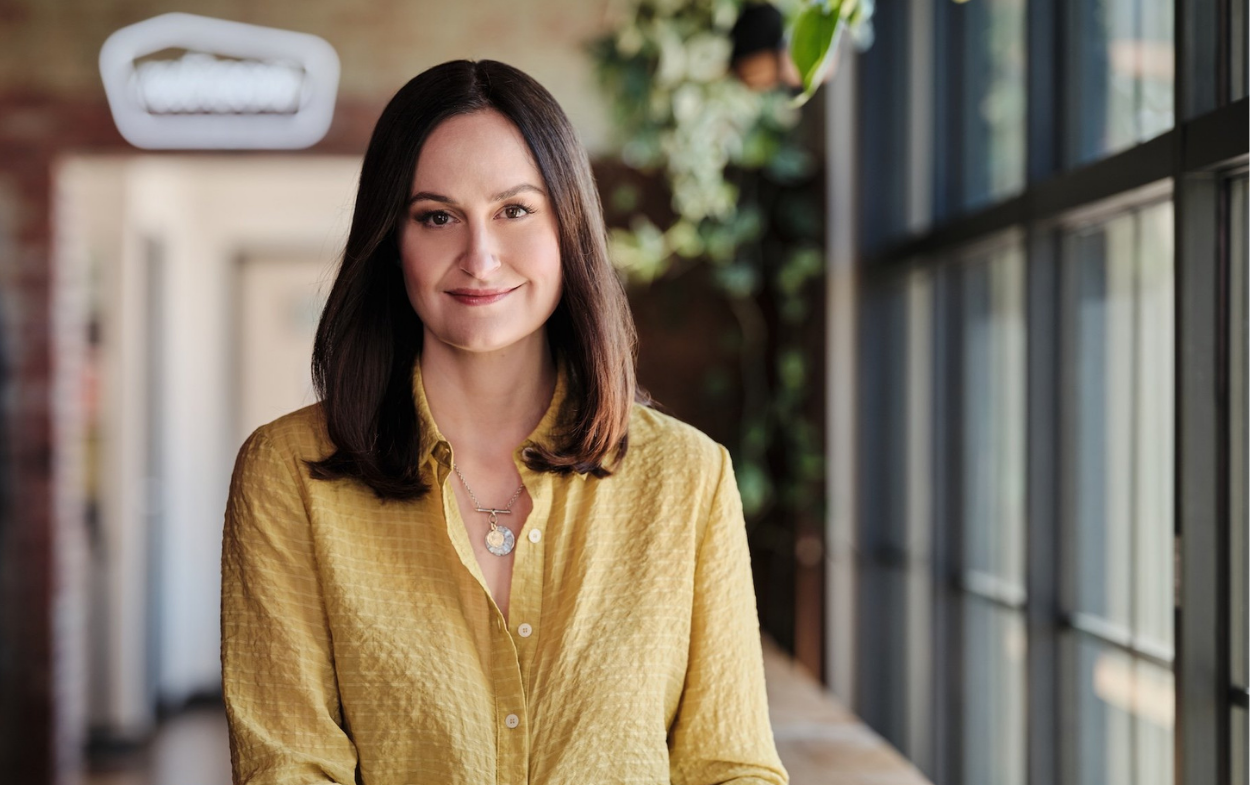
Ever since packing up her mother’s car and relocating from Boston, real estate developer Ashley Harder has taken on projects that have formed case studies on how to adaptively repurpose historic properties into commercial businesses.
Her historic preservation coincided just as the adaptive reuse program took shape: In 2010, her firm, Harder Development, restored the Henry Campbell House to accommodate usage as an office space. In its former life, the pastor of Downtown Phoenix’s First Presbyterian Church resided in the home. This preservation effort also extended to working with a developer on a neighboring lot to ensure their development, Townhomes on Third, complimented the historic character and scale of the surrounding neighborhood.
Elsewhere in the Downtown core, she later rehabilitated a former 9,000 sq. ft. historic retail center developed as a mixed-use property in the McDowell Road community, which Arizona Wilderness Brewing Co. operates.
In 2021, Harder briefly stepped into the Executive Director role of this very organization to mobilize it for the next generation of community advocates. For the nation’s Semiquincentennial celebration, Harder currently serves on the Arizona America250 Commission as the chair of the History, Heritage & Historic Preservation Subcommittee, a position she was appointed to by Gov. Katie Hobbs.
As of August 2025, she is running for the open District 4 City Council seat in service of preserving the historic neighborhoods and adding quality housing projects at a citywide level.
Heather Lennon:
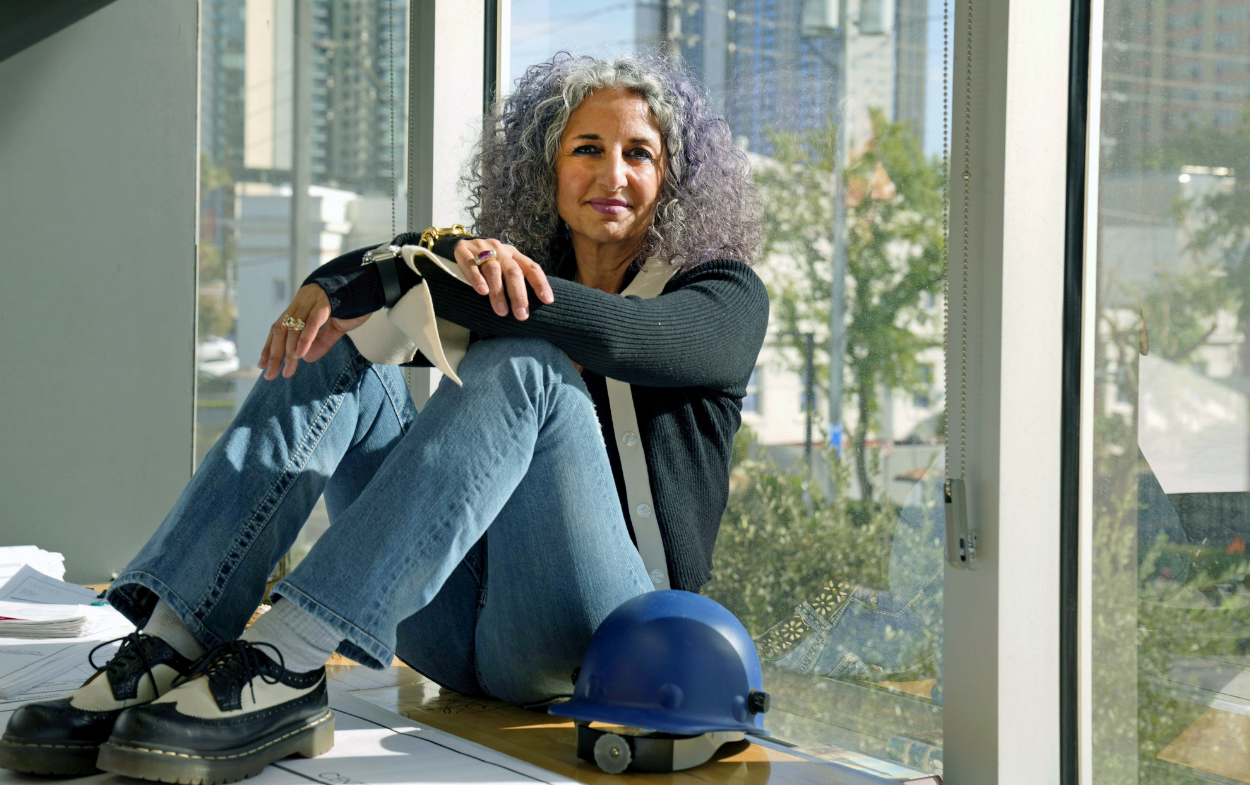
Almost three decades of contracting experience has granted Heather Lennon the unique position to blend a love of working on historic properties with adaptive reuse projects.
Her design firm, Imagine General Contracting & Development, has contributed to projects that are synonymous with Downtown Phoenix revitalization and inclusivity. A sampling of these community projects include the former Merryman Funeral Home (which became the Sin Muerte and former Hugo’s Cantina restaurant concepts) and Warehouse 215.
Her latest may be her most ambitious project yet: In the Coronado Historic District, off of McDowell Road and 11th Street, her firm purchased seven turn of the century bungalows to transform each into separate wellness spaces, each with their own Chakra theme.
Although the properties are slated to be completed in 2028, Lennon is already imagining ways to reclaim building elements, including period kitchens and converted Arizona Rooms, into the final designs that tell a story of what was once there.
Lauren Bailey:
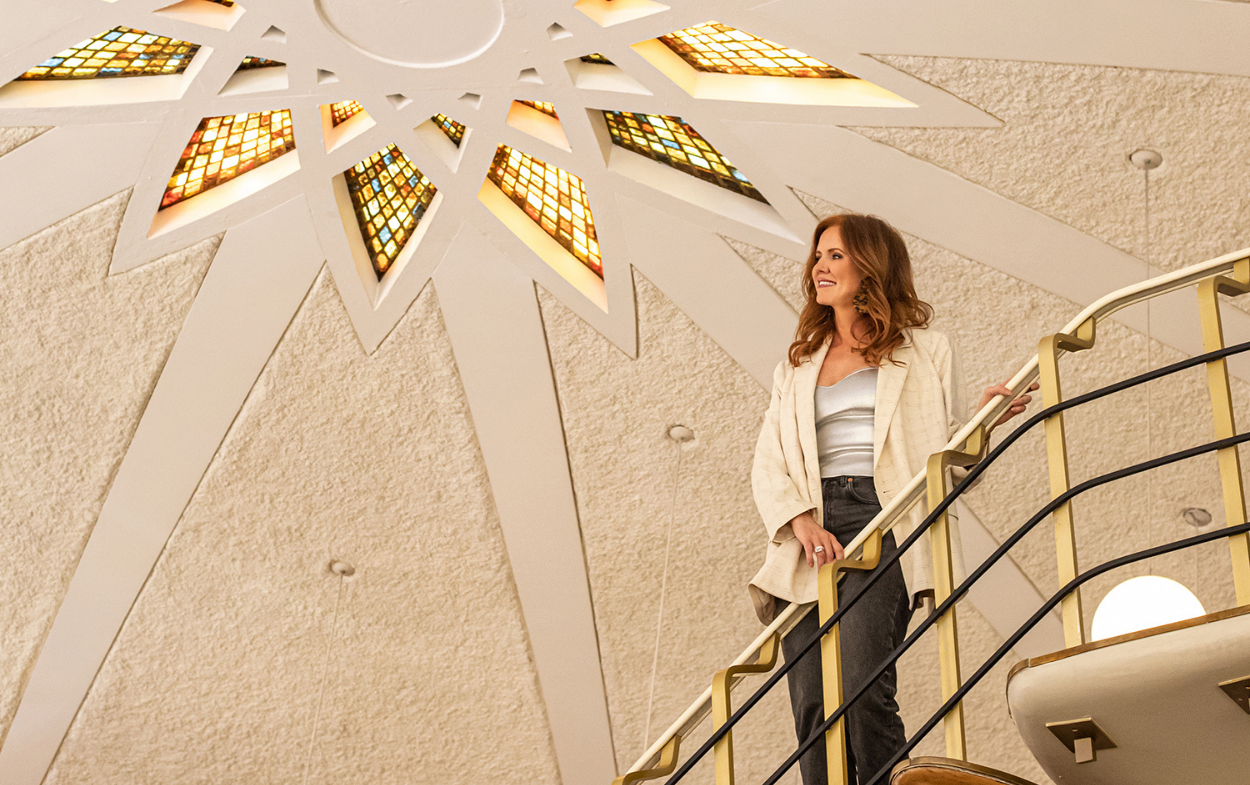
On any given weeknight, a drive along the Uptown area of Central Avenue reveals the scope of Lauren Bailey and her partner Craig DeMarco’s vision of creating vibrant points of community connection.
Since 2001, the Upward Projects co-founder has taken the authentic shells of historic buildings and created inviting restaurant concepts with them. Each building has its own story of what existed there before:
Multiple Postinos locations adapted the restaurant layout from post offices, while Federal Pizza takes its name from the former First Federal Savings bank once housed there. The pizza joint even found a way to repurpose the drive-thru teller window into a pick-up spot for mobile orders.
More 15 valley restaurants point to a method of historic preservation that embraces the entirety of the footprints they inherited and finding creative solutions for adaptive reuse.
Other Preservation Advocates You Should Know: Cindy Dach (Changing Hands’ CEO), Rory Hays (Attorney), Monica Heizenrader (Owner of MacAlpine’s), Rusty Foley, Kathryn Leonard (State Historic Preservation Office), Donna Reiner (Historian), Elisabeth Ruffner (Arizona Preservation Foundation), Helana Ruter (City of Phoenix Historic Preservation Officer), Julia Taggart (Sunnyslope Historical Society)
In a state where the will to transform our environment is predicated on rugged individualism, these handful of professionals have made it their own mission to empower others to control their destiny through our architectural record.
Despite Arizona’s reputation as a younger state late to historic preservation, this select list of women, among others elsewhere throughout the state, set the tone of the spark that will require the Valley to be a sustainable city in the years to come.